Services
Clarity. Direction. Confidence.
Supporting children, families and schools through thoughtful, comprehensive evaluation and guidance.

Our services are designed to provide clear insight into how your child learns, processes information and navigates daily challenges. Through evidence-based assessments and a highly personalized approach, we identify strengths, uncover areas of need and provide meaningful next steps- so families can move forward with clarity and confidence.
Who We Support
Students and Families
We work with children and young adults who may be experiencing:
Academic challenges or learning difficulties
Difficulties with reading, writing, or math
Attention, executive functioning or organization concerns
Questions about dyslexia, ADHD or other learning profiles
Social, emotional, or behavioral challenges impacting school
The need for an independent educational evaluation (IEE) or private assessments
Navigating 504 plans or Individualized Education Programs (IEP’s)
School and Educational Teams
We partner with school districts and multidisciplinary teams to provide:
Independent Educational Evaluations (IEE’s)
Initial and Re-Evaluation Psychoeducational assessments
Out-of-state residential treatment center placement assessments
Consultation and collaboration with school teams
Our deep experience within school systems ensures recommendations that are realistic, relevant and aligned with educational settings.
Services We Offer

Independent Educational Evaluation IEE’s
A comprehensive assessment conducted by a qualified professional who is not employed by your child’s school district. An IEE provides an objective evaluation of your child’s learning, behavior, or developmental needs and can offer additional insights or recommendations to support their educational planning.

Psychoeducational Evaluations
A comprehensive assessment that examines a person’s cognitive abilities, academic skills, and social-emotional functioning. It is used to identify learning strengths and challenges, diagnose conditions such as learning disabilities or ADHD, and provide recommendations for educational supports and interventions.

Vocational and College Assessments
An evaluation that helps identify an individual’s strengths, interests, and challenges related to career and postsecondary education planning. It provides guidance on suitable academic pathways, and necessary supports or accommodations to promote success in work or college settings.
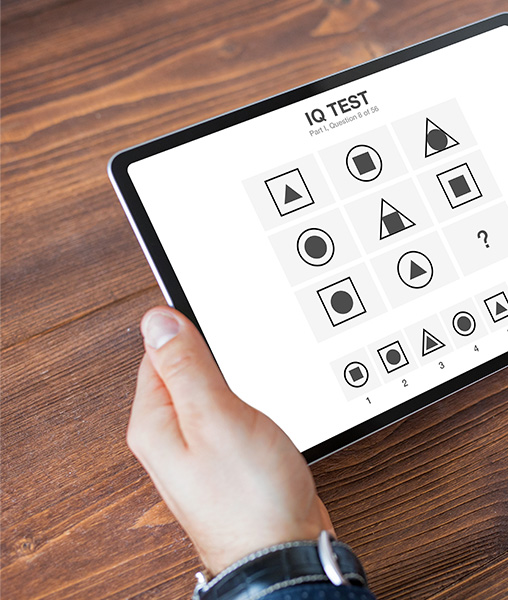
IQ Testing
A standardized assessment that measures a person’s cognitive abilities, such as reasoning, problem-solving, and memory. The results provide an estimate of intellectual functioning and can help identify strengths, challenges, or the need for further evaluation or support.

IEP and 504 Consultation Services
Providing expert guidance and support to families and individuals as they navigate the special education process. These services include reviewing educational records, explaining the differences between IEPs (Individualized Education Programs) and 504 plans, clarifying eligibility criteria, and helping families understand their rights and responsibilities. These services do not include direct advocacy or legal representation.

Student Support Sessions
We offer focused, high impact support sessions designed specifically for students. These sessions provide practical strategies and guidance to help them better understand themselves, build skills and navigate school with greater confidence.

Structured Literacy Intervention
Our Structured Literacy Intervention program provides explicit, systematic, and individualized instruction for students with dyslexia and persistent reading difficulties. Services are provided one-on-one with a specialist trained in the Barton Reading & Spelling System, using a cumulative approach, instruction targets foundational skills such as phonemic awareness, decoding, spelling, word structure and fluency. Sessions include ongoing progress monitoring to build stronger more confident readers.
Assesments
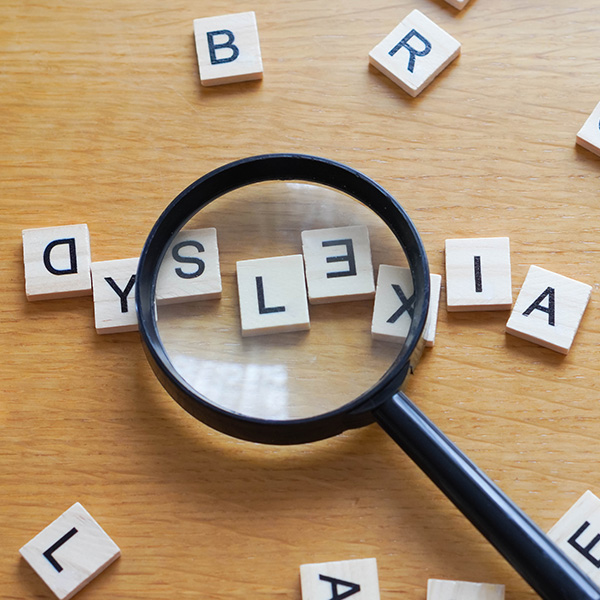
Dyslexia
Dyslexia is a learning difference that primarily affects reading, spelling, and language processing skills. Individuals with dyslexia may struggle with decoding words, reading fluency, and comprehension despite having average or above-average intelligence. With the right support and structured instruction, they can develop effective strategies and thrive academically and professionally.

Dysgraphia
Dysgraphia is a learning difference that impacts writing abilities, including handwriting, spelling, and organizing thoughts on paper. Individuals may find it challenging to form letters, maintain consistent spacing, or express ideas clearly in written form. Targeted interventions and accommodations can help improve writing skills and reduce frustration.

Dyscalculia
Dyscalculia is a learning difference that affects understanding numbers, math concepts, and calculations. Individuals may struggle with basic arithmetic, number sense, and remembering math facts. With specialized instruction and practical supports, they can build confidence and improve mathematical reasoning skills.

ADHD
Attention-Deficit/Hyperactivity Disorder (ADHD) is a neurodevelopmental condition that affects attention, impulse control, and activity levels. Individuals with ADHD may experience difficulties with focus, organization, time management, and regulating behavior. With appropriate strategies, support, and sometimes medical treatment, they can harness their strengths and succeed across many areas of life.

Autism
Autism is a neurodevelopmental condition that influences social communication, behavior, and sensory processing. Individuals on the autism spectrum may have unique strengths, interests, and ways of interacting with the world. Early identification and supportive environments can enhance independence, learning, and overall well-being.

Anxiety
Anxiety is a mental health condition characterized by excessive worry, fear, or nervousness that can interfere with daily functioning. It may present through physical symptoms such as restlessness, rapid heartbeat, or difficulty concentrating. Therapeutic support and coping strategies can help individuals manage symptoms and regain a sense of balance.

Intellectual Functioning
Intellectual functioning refers to a person’s overall cognitive abilities, including reasoning, problem-solving, and learning capacity. Variations in intellectual functioning can influence academic performance, adaptive skills, and daily living tasks. With individualized support and appropriate expectations, individuals can build skills that promote independence and meaningful participation in their communities.



A psychoeducational practice dedicated to understanding how each child learns and supporting growth through evidence-based individualized guidance.
Services
© 2026 CultivatED Minds. All rights Reserved -
Accessibility Statement
-
Privacy Policy
-
Sitemap
Managed and Designed by 